Doug Dollars for the Dead?

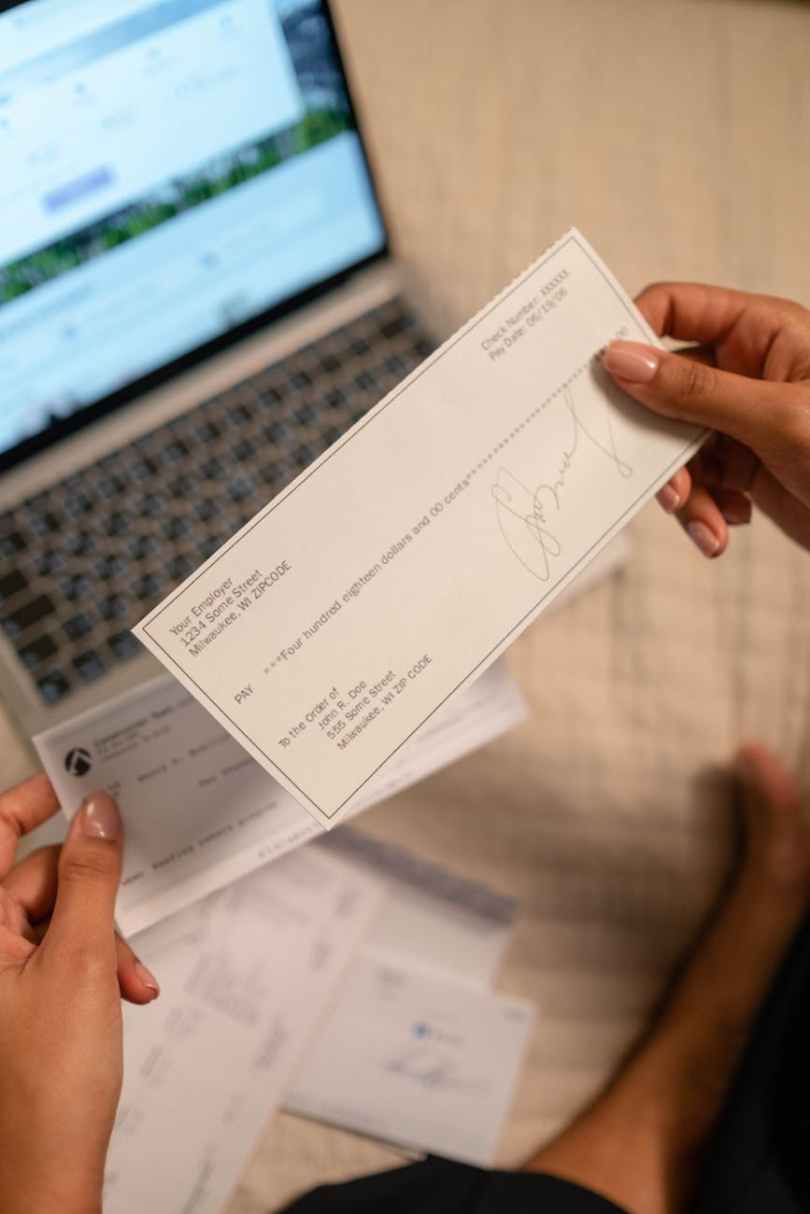
I’m the executor for my Mom’s estate (she died about a year ago). On Friday last week, I got a cheque in her name1 from the Government of Ontario. Premier Ford’s handiwork, it seems. My Mom’s estate just got $200 richer.

Anyway, per this Star article, it seems like I’m not the only one. And, apparently, the right thing to do is to deposit the cheque, thus adding it to the estate — which I will do, once I pay a visit to my local branch2.

  1. Not “The Estate of” which is a sign that the sender is working from less-than-current information. ↩︎
  2. All transactions involving an estate require a physical visit to a bank branch. As an online native, I find this confounding, perplexing and irritating. ↩︎

Managing money for aging parents

Before my own parents died, I managed their investments and taxes for about 10 years. Here are some things we had set up that made things much easier as they relied more and more on me in their final years. In my case, they placed their trust in me while of sound mind and body. Things probably look a lot different if this isn’t the case for you. And once again, I will remind you that I’m not a lawyer.

Make sure they have a will, you know who prepared it, and you know where it is

I cannot imagine how much more complex managing my parents’ estate would have been had there not been a will. They made a habit of reminding me where theirs was kept periodically. This was a tremendous relief after they died. In Ontario, the rules of probate dictate that a will has to have an “Affadavit of Execution” in order to be considered a valid document. What this means practically is that the legal team who prepared the will in the first place has to certify that yes, they did indeed prepare the will and the signatures on the will are the ones they remembered. So, as executor, this meant I had to march the signed will over to the law firm who prepared it, and they had to call the lawyer who signed it out of retirement to come in to the office to fill out the Affadavit. (If this sounds crazy to you, I can assure you, you’re not alone…)

Have a Power of attorney (PoA) set up

Having your parents’ logins (which I know is a very common practice) is NOT the same thing as the steps I’m outlining here. While you may be able to do quite a bit this way, having a PoA is much better. The PoA I’m referring to is the “Continuing Power of Attorney for Property” as mentioned by the feds. (There’s another, separate, PoA for health decisions, but that’s not what I’m talking about here). PoA is only applicable to living people — the PoA document doesn’t have any authority once the person is dead, that’s what the will is for. The PoA document is a necessary but rarely sufficient document to get a bank or broker to talk to you on behalf of your parents. Every financial institution I dealt with insisted that I fill out their own forms in addition to providing a PoA to get the ball rolling. Many lawyers prepare PoA documents as part of their will package, but for my parents, we just used the free form on the Government of Ontario website1. With this form I was able to get my own “authorized attorney” login for my parents’ RRIF/TFSA/investment accounts at BMO Investorline.

Set Up an Authorized Representative with CRA

An “authorized representative” is someone designated by the parent as being able to communicate on their behalf with the Canada Revenue Agency. It’s a common practice if you happen to hire a tax pro to prepare your taxes. I was my parents’ authorized rep; it’s surprisingly easy to set up by following the instructions over at https://www.canada.ca/en/revenue-agency/services/tax/representative-authorization/overview.html.

Simplify, simplify, simplify

Any extra bank account, any extra RRIF/TFSA/RRSP/Investment account creates more work and more headaches to the eventual executor of the estate, ESPECIALLY if it involves multiple financial institutions. Do those you leave behind a big favour and ruthlessly eliminate any extras.

A joint bank account between a child and a parent can be very useful

Here you have to be quite careful, lest you inadvertently create a “bare trust” under CRA rules. Here I’m talking about enough money to deal with post-death expenses — last utility bills, funeral expenses…This is helpful since (as stated above) a PoA no longer has any validity once the person who signed it is dead. My parents added me to their joint chequing account many years ago…since this account was quite modest in terms of its holdings (it was really only for day to day expenses) I never had to worry that they had set up a bare trust.

  1. If anyone reading this has any sort of influence on documents posted by the Government of Ontario on their websites, could you please let them know that requiring the use of Adobe Acrobat to open and edit pdfs goes against all notions of equal access to their constituents? My poor little Chromebook doesn’t do Acrobat. ↩︎

Do this TODAY with your RRIF, RRSP or TFSA

Disclaimer: I’m not an accountant and I’m not a lawyer. Consult a professional if desired.

Summary: Make sure your RRSPs, RRIFs and TFSAs have named SUCCESSORS or BENEFICIARIES to save those who survive you time, effort and money.

The CRA lets RRSPs, RRIFs and TFSAs of a dead person pass to other people without tax penalties. But the account(s) have to be properly set up. Make sure they are! It only takes a moment.

The CRA does like us to pay taxes. But they are not completely heartless. They’ve set up the concepts of successor annuitant (for RRIFs), successor holder (for TFSAs) and “Beneficiary” (for RRIFs, TFSAs and RRSPs) to help lower the tax burden of someone who has died.

A “Successor Annuitant” for a RRIF basically takes over the account of the dead person. This can only be a spouse. This is similar conceptually to the named successor holder of a TFSA. The benefits?

  • There’s no sale of the assets of the RRIF/TFSA unless desired; everything can pass “in kind” to the successor
  • The successor does not take a tax hit1 (although the dead person does in the case of a RRIF/RRSP2)
  • The funds are not considered part of the estate, which means these funds will avoid probate. That’s good because you won’t have to pay the estate administration tax (aka probate fees) and access to the funds is MUCH quicker since you don’t have to wait for probate to be granted (a months long process, typically)

A “Beneficiary” is someone who gets the money in the accounts. This can be anyone. Or even more than one (e.g. the children of the TFSA holder or children of the RRIF holder). The same benefits apply

  • The named beneficiary or beneficiaries don’t take a tax hit
  • The funds in the TFSA/RRSP/RRIF are not part of the estate

Both the “successor Annuitant” and the “Beneficiary” are set up at the account level by your financial service provider (e.g. your bank, your broker) usually set up at the time the account was created. (Remember those long forms you had to fill out when you first opened a TFSA, RRSP or RRIF? It was on the application form). These can of course be changed at any time. One common situation where a change is warranted is after the death of one spouse — this would be a good time for the surviving spouse to name their children as beneficiaries of their RRSP/RRIF/TFSA.

The actions you should take? Call up the people who manage your RRIF/RRSP/TFSA and make sure that:

  • If you’re the holder of a RRIF/TFSA, are married, and intend to give everything you own to your spouse, make sure you name your spouse as the SUCCESSOR
  • If you’re the holder of an RRSP, are married, and intend to give everything you own to your spouse, make sure you name your spouse as the BENEFICIARY
  • If you’re the holder of a RRIF/TFSA/RRSP and don’t have a spouse, or want to name someone other than your spouse for the funds, then make sure they are named as a BENEFICIARY

This only takes minutes, and can save those who remain after you’re gone time, effort, and money!

  1. Not 100% true. The recipients have to pay tax on the gains made by the holdings between day of death and the day of liquidation. ↩︎
  2. For RRIFs, this is true. Put simply, under tax rules, the dead person is considered to have sold the entire RRIF on the day they died and must declare it all as income. ↩︎